
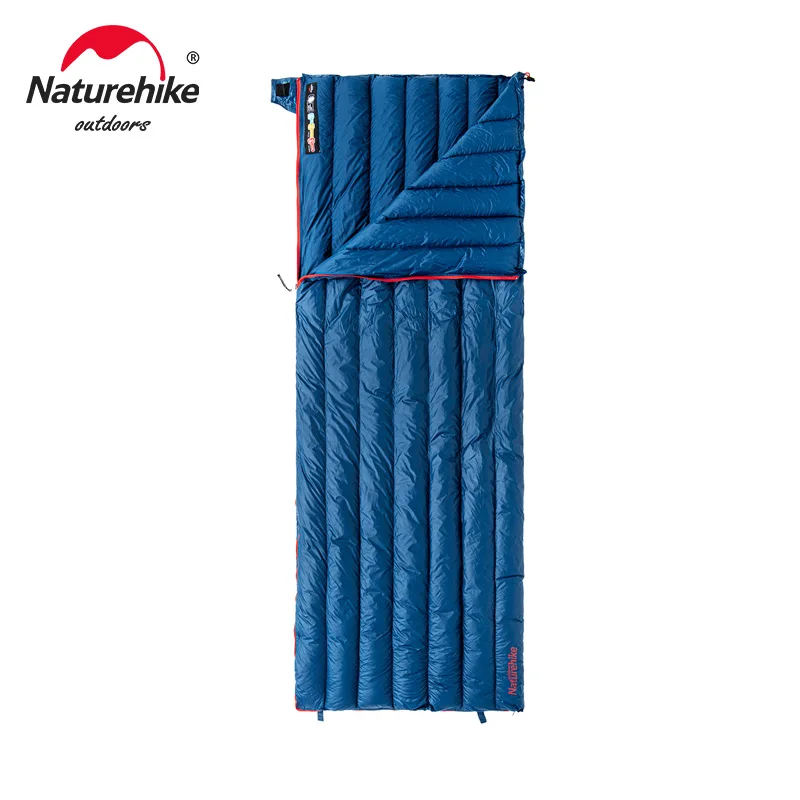
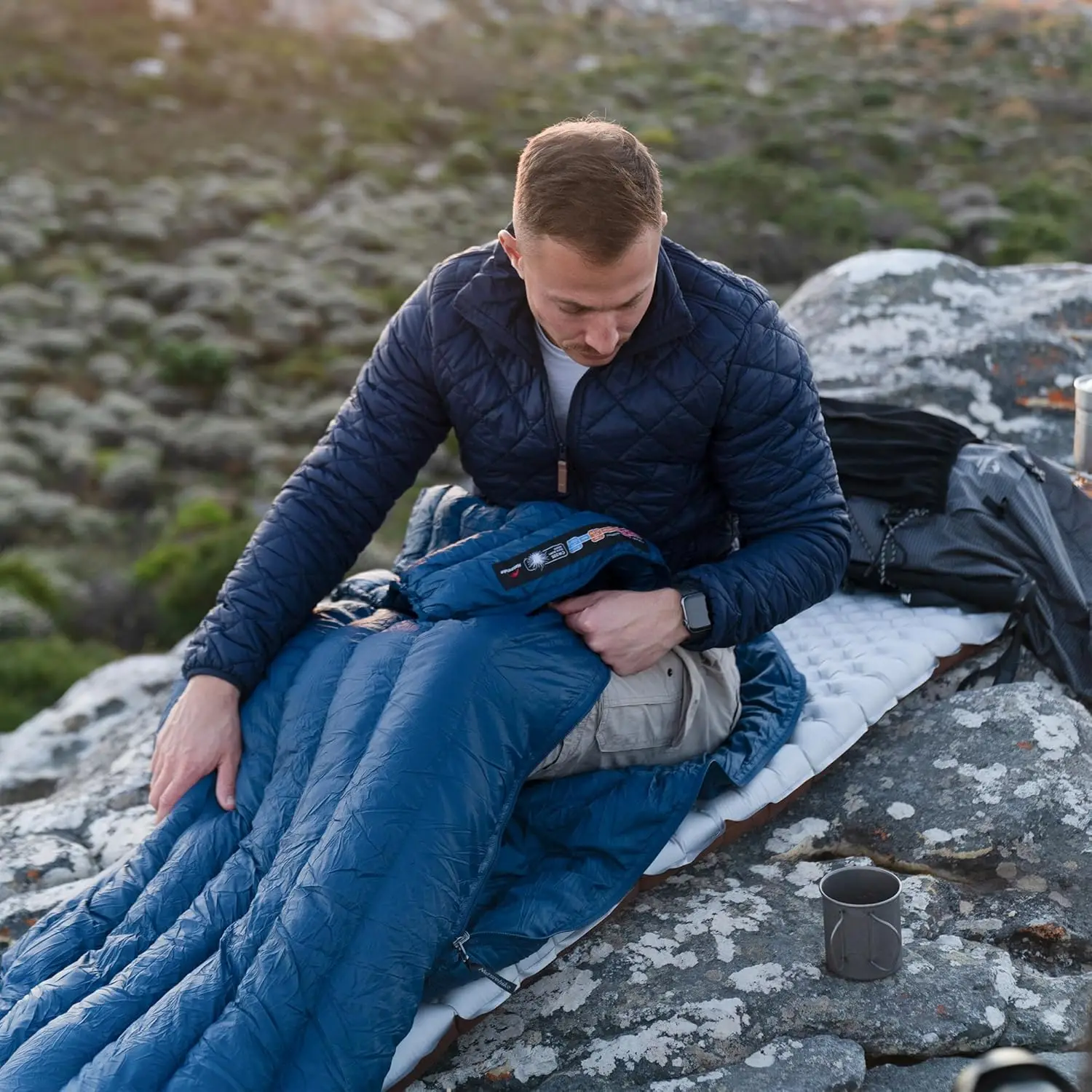
You’ve booked the weekend, the forecast looks fine, and then the mercury slides to just above freezing at two in the morning. That’s the moment a sleeping bag stops being an afterthought and becomes the whole trip. The Naturehike CW280 and its warmer sibling, the CWM400, sit in a sensible middle ground — light enough that you won’t dread carrying one, warm enough for the shoulder seasons most of us actually camp in.
Two Fill Weights, Two Fairly Different Nights
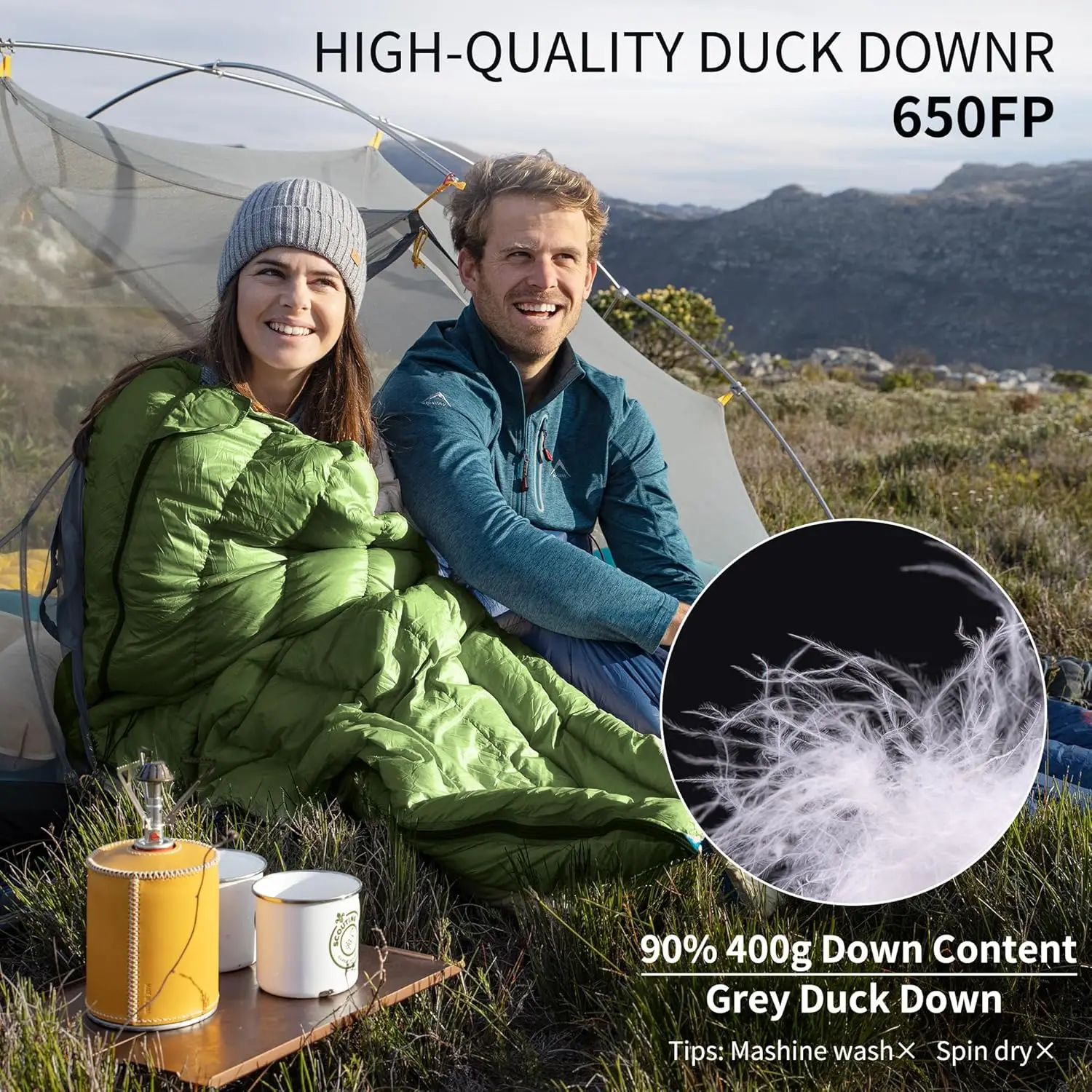
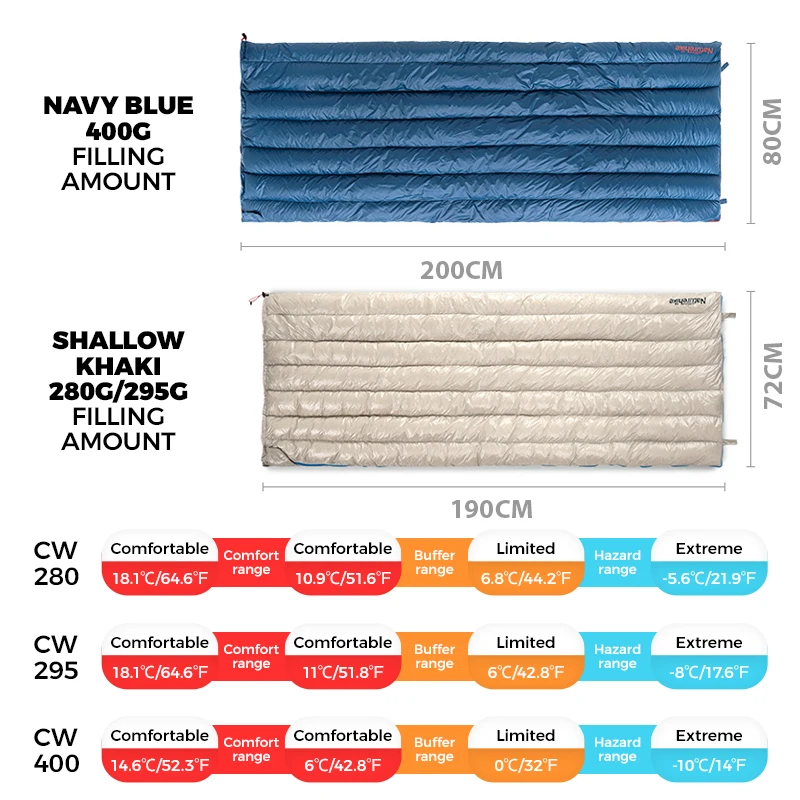
Here’s the thing — this listing covers two models, and the gap between them matters more than the naming lets on. The CW280 holds 280 g of 90% duck down; the CWM400 holds 400 g. That difference lands straight in the temperature ratings.
- Fill: 90% duck down, 400+ fill power, in 280 g (CW280) or 400 g (CWM400)
- Comfort temperature: 5°C (CW280) / -2°C (CWM400)
- Limit temperature: 0°C / -8°C
- Extreme temperature: -15°C / -20°C
- Shell and lining: 20D nylon on both
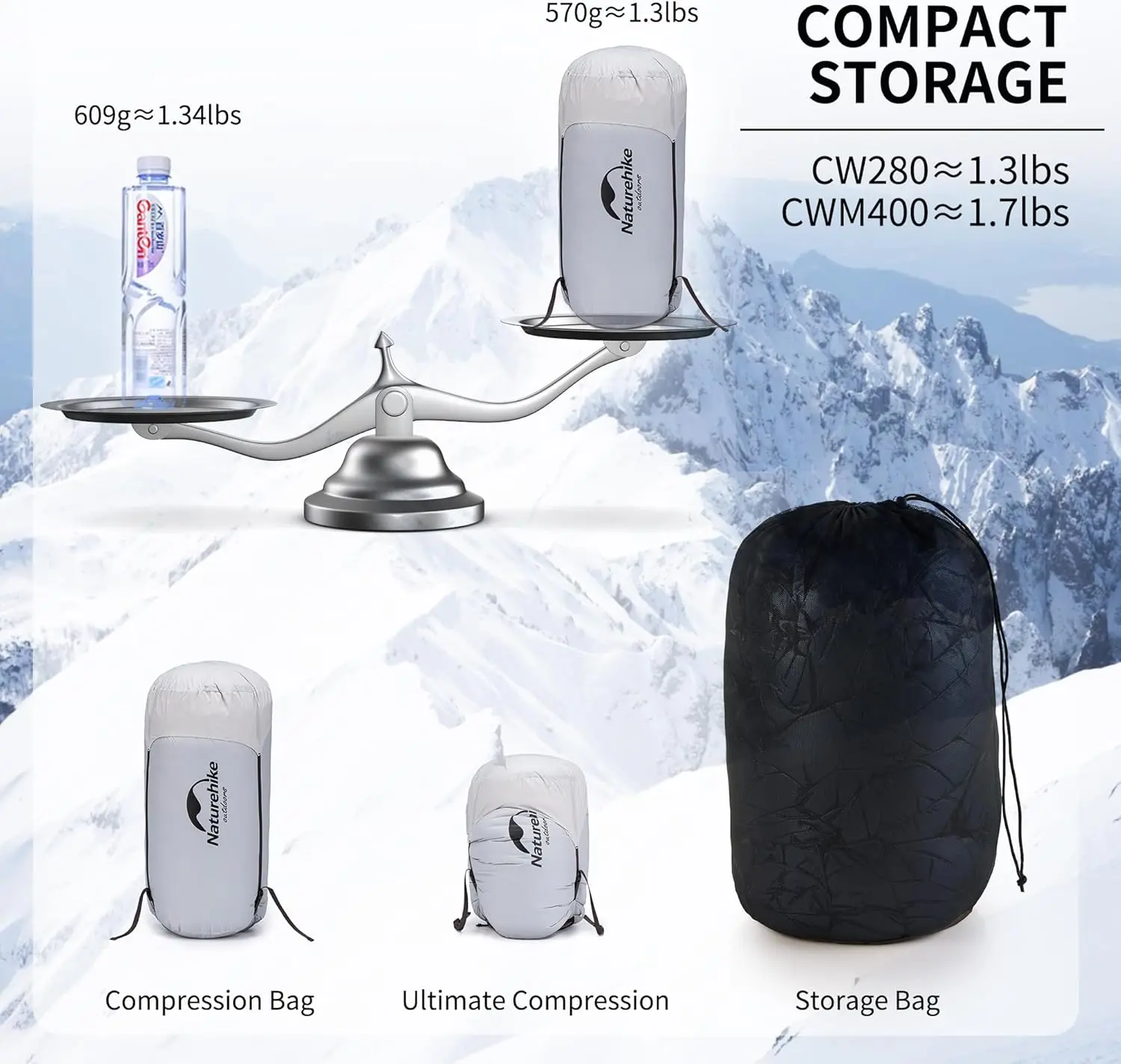
- Total weight: around 600 g (CW280) / 800 g (CWM400)
- Dimensions: roughly 190 x 75 cm / 205 x 80 cm
- Packed size: about 30 x 15 cm on either model
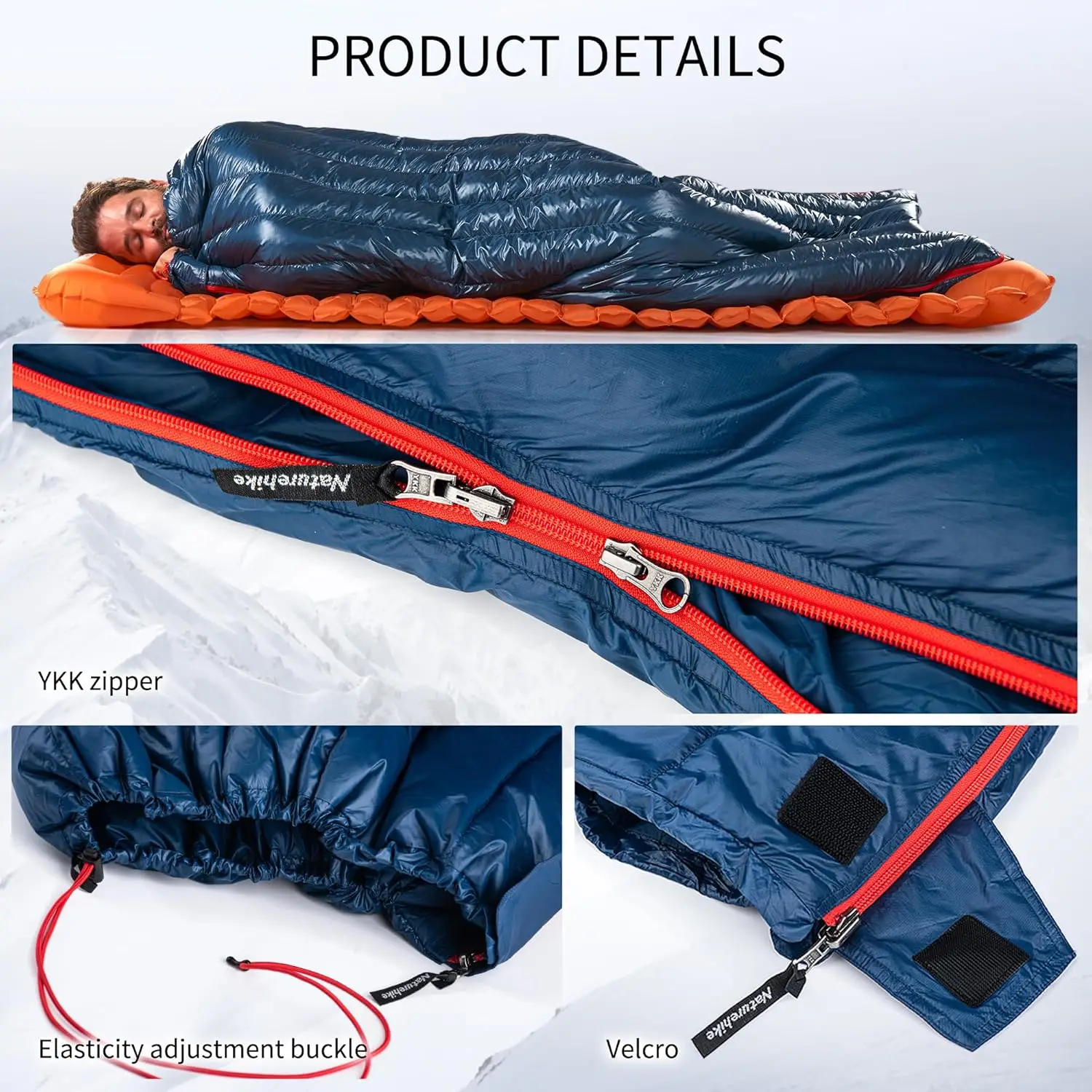
- Zipper: YKK
- Season range: spring, summer and autumn
Where the 90% Duck Down Earns Its Keep
Down is doing the heavy lifting here, and it shows in the numbers. An ultralight sleeping bag that lands near 600 g and still claims a 5°C comfort rating is a genuinely useful thing to have in a pack, especially when you’re hiking rather than car camping. The 20D nylon shell and lining match the low weight without looking flimsy in the spec sheet, and the YKK zipper is a nice detail — it’s a name most campers already trust to not jam at midnight.
Real talk: the two-model setup is the smartest part of this product. Buyers who camp in mild summer weather can take the lighter CW280, and anyone pushing into early spring or late autumn can step up to the CWM400 without switching brands or shapes.
A Couple of Honest Catches
That said, there are a few things worth knowing before you commit. The extreme temperature figures are survival numbers, not comfort numbers — nobody sleeps well at -15°C in a bag rated for 5°C comfort, so plan around the comfort and limit ratings instead. The listing also gives both models the same packed size, which means the bulkier CWM400 won’t shrink down smaller in your pack even though it costs you more weight.
And the 400+ fill power figure is a modest rating rather than a premium one, so expect a bag that packs small enough for hiking but not one that vanishes into a pocket. Quick note: the listing doesn’t spell out whether a compression sack or storage bag is included, so it may be worth confirming that with the seller if it matters to you.
Where This Bag Fits in Your Kit
If your camping calendar runs from late spring through early autumn, and you want a mummy-style duck down sleeping bag that won’t weigh down your hike, the CW280 is the sensible pick. Cold-sleepers and shoulder-season campers will get more value from the CWM400. Either way, check that the temperature range lines up with the nights you actually sleep out — then add it to the kit list and go enjoy the quiet.


Reviews
There are no reviews yet.