
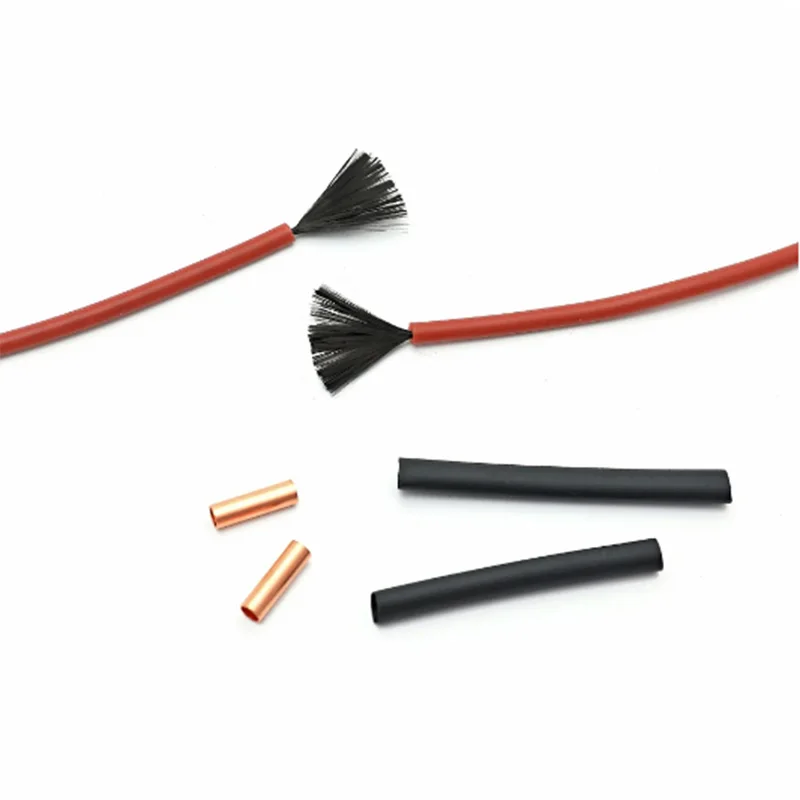
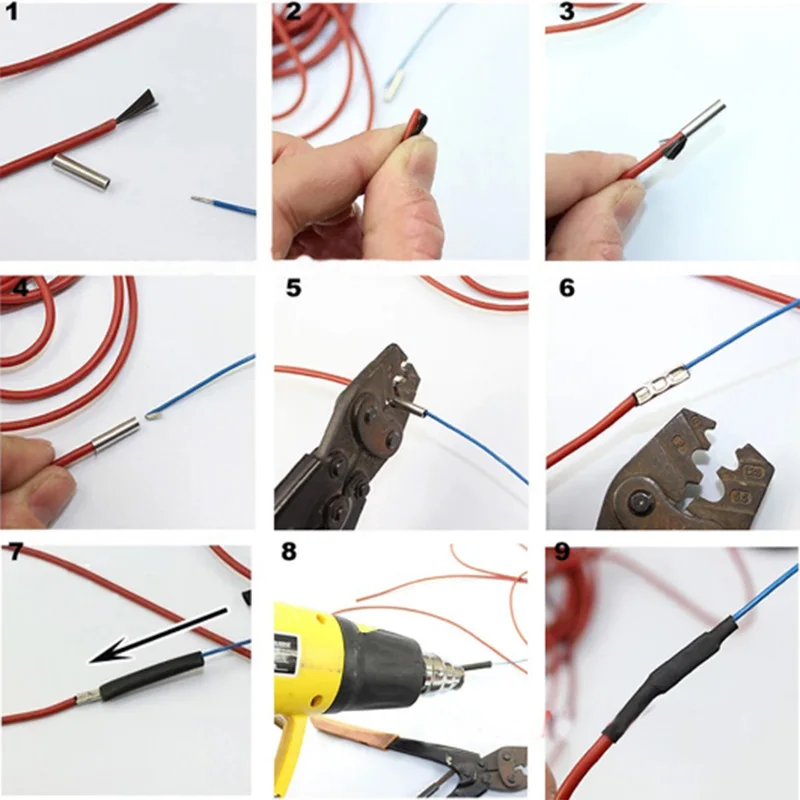
Imagine stepping out of bed onto a floor that isn’t freezing. For many homeowners, that’s the appeal of underfloor heating. But picking the right heating cable can feel like a puzzle. This carbon fiber heating cable, sold as a coil from 10 to 100 meters, aims to solve that with a simple resistive design. Is it the right fit for your project? Let’s look at what the specs actually tell us.
What 12K Carbon Fiber Actually Means for Your Floor
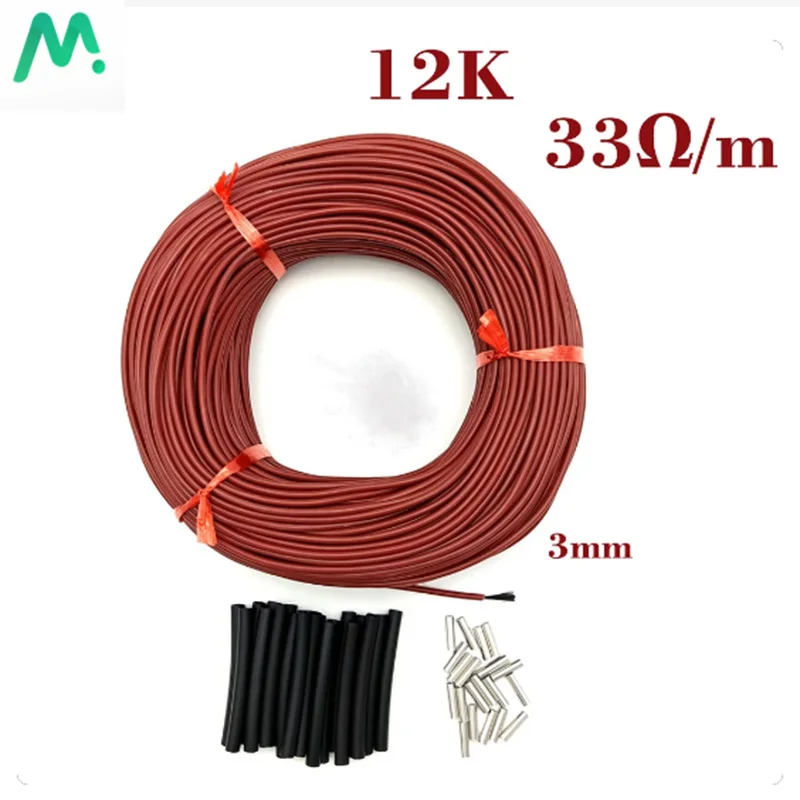
The core of this product is a 12K carbon fiber heating element. That “12K” refers to the filament count, which affects how the cable performs. With a resistance of 33 Ohm per meter and a 220V AC power supply, the total resistance scales linearly with length. Here’s the thing — longer cables have higher resistance, which means less power output. The listing gives clear examples: at 220V, a 10-meter run produces about 146.7 watts, a 20-meter run drops to roughly 73.3 watts, and a 100-meter run falls to about 14.7 watts. So you need to match length to your heating needs.
- Heating element: 12K carbon fiber
- Resistance: 33 Ohm/m
- Voltage: 220V AC
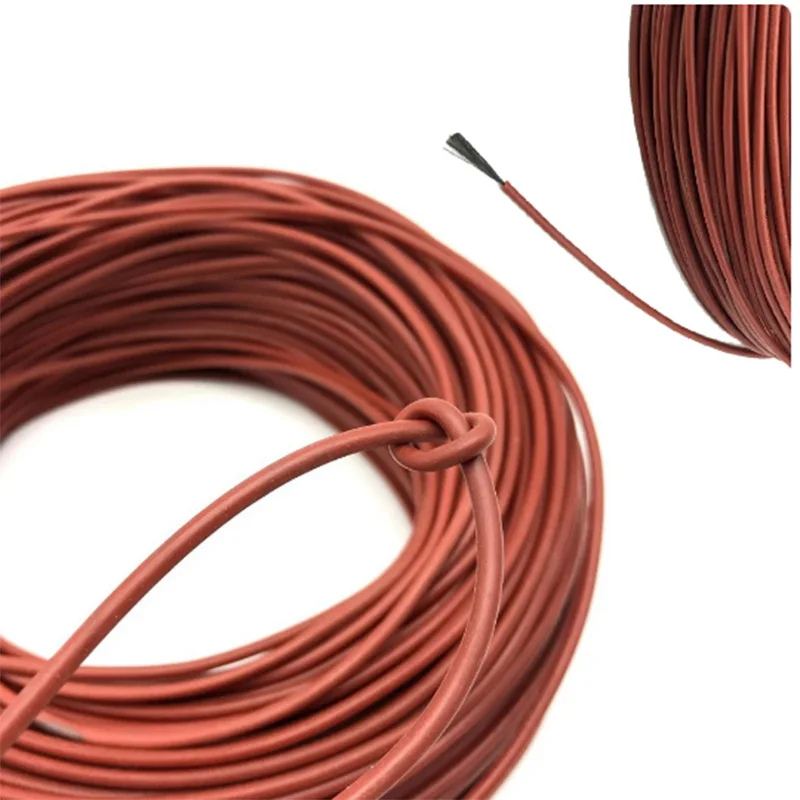
- Jacket and insulation: silicone rubber
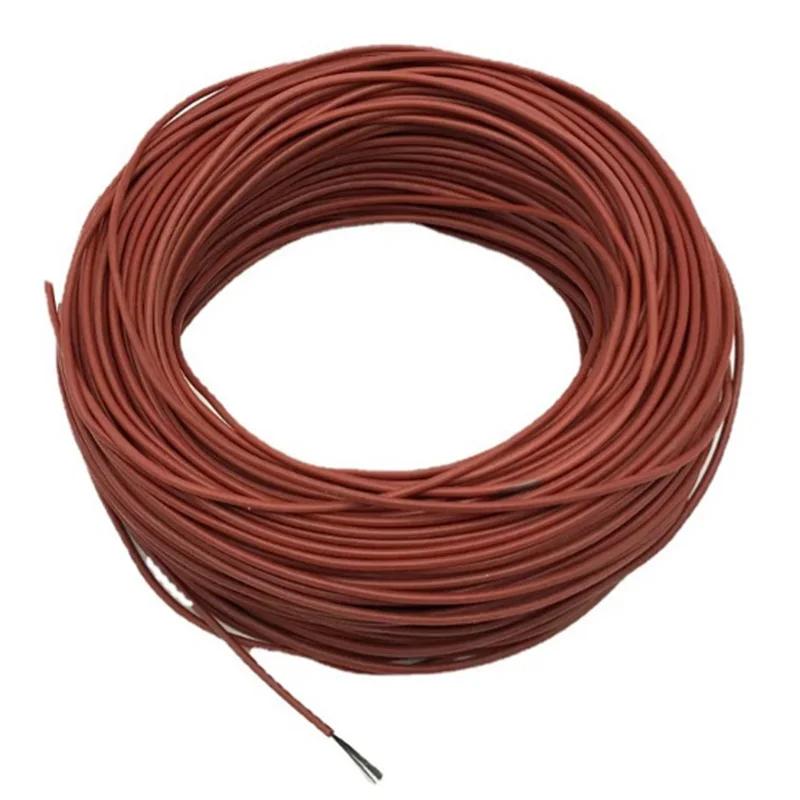
- Form: coil
- Available lengths: 10 m to 100 m
- Total resistance: 33 Ohm × length (330 Ohm at 10 m, 3300 Ohm at 100 m)
- Power output at 220V: approx. 146.7 W at 10 m, 73.3 W at 20 m, 14.7 W at 100 m
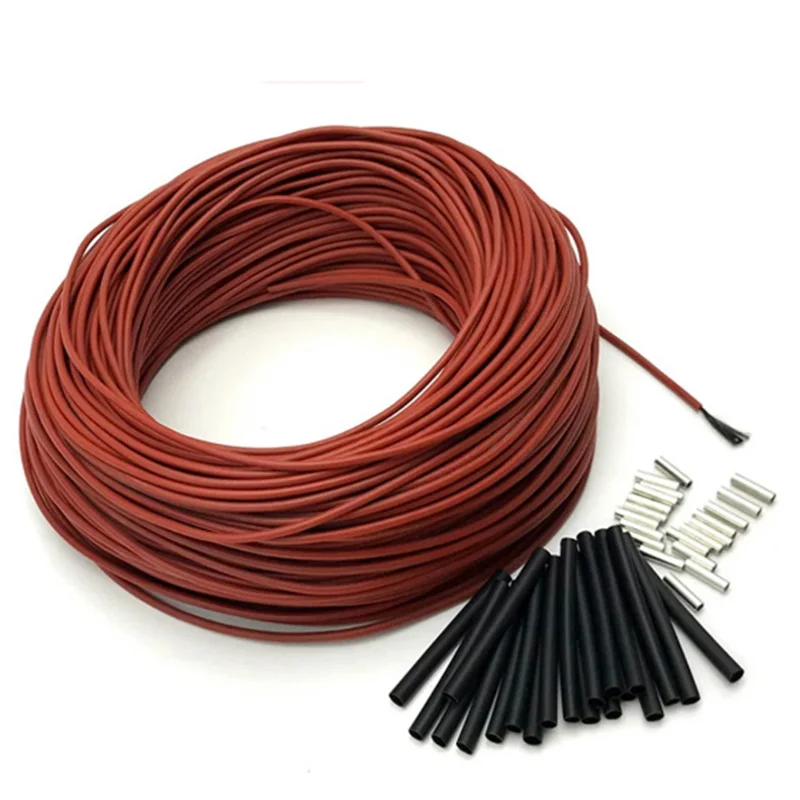
- Package contents: 1 coil of heating cable
Where This Underfloor Heating Cable Makes Sense
For small areas like a bathroom floor or a pet bed, a shorter length gives you more heat per meter. The silicone rubber jacket is flexible, which helps when you’re routing the cable in tight patterns. And the carbon fiber element is designed for floor warm heating applications. If you have a 220V setup and a modest space, this coil could be a straightforward option. The fact that you can choose from 10 to 100 meters means you aren’t stuck with a one-size-fits-all length. Based on the specs, the 10-meter version delivers the highest wattage, so it’s best for spot heating rather than a whole room.
A Few Things to Check Before You Commit
That said, there are a couple of practical catches. The power output drops significantly as you go longer, so a 100-meter coil won’t warm a large floor very effectively on its own. You’d need to plan your layout and possibly use multiple runs. Also, the listing doesn’t spell out the connector type, so it’s worth checking with the seller before ordering to make sure it matches your thermostat or power hookup. And remember that the power may vary by selected length, so verify the seller listing for the exact configuration you want.
Matching the Coil to Your Room Size
How do you decide between 10 meters and 100 meters? Start by calculating the area you want to heat and the wattage you need per square foot. Since this cable’s resistance is fixed at 33 Ohm/m, you can use the total resistance formula to estimate power. For a small spot, a shorter coil gives you more heat. For larger areas, you might need a longer coil but accept lower wattage per meter. Honestly, this is not a plug-and-play system; you’ll need to do a little math. But if you’re comfortable with basic electrical calculations, this carbon fiber heating cable offers a flexible way to build a custom underfloor heating setup.
If you’re planning a DIY floor warming project and want a simple resistive cable, this 12K carbon fiber option is worth a look. Just double-check the length, wattage, and connector compatibility for your specific space. A little planning now can save you from a cold floor later.




Reviews
There are no reviews yet.