


Ever printed a part that “almost” fits, then spent an hour sanding, measuring, and re-printing? If you’re trying to capture real-world objects accurately for modeling or replication, a dedicated 3D scanner can save a lot of that trial-and-error.
When 0.01 mm precision actually matters
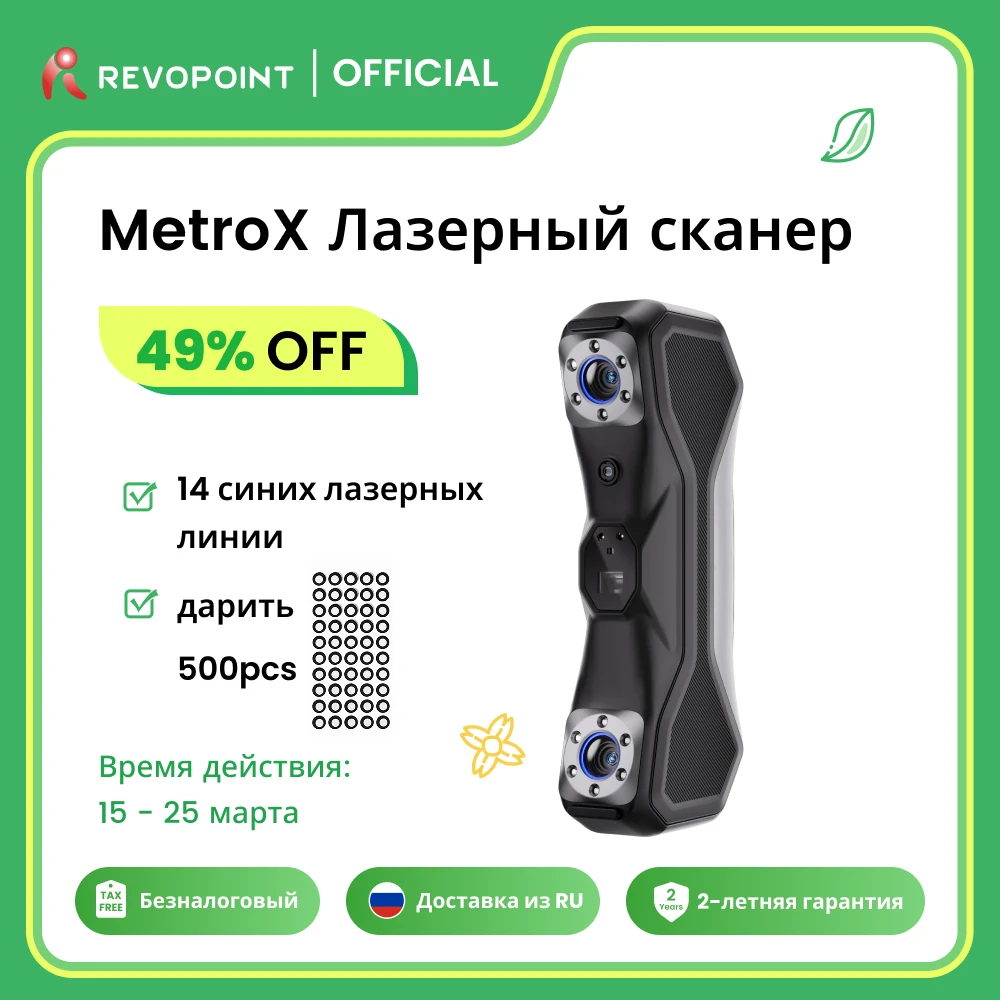
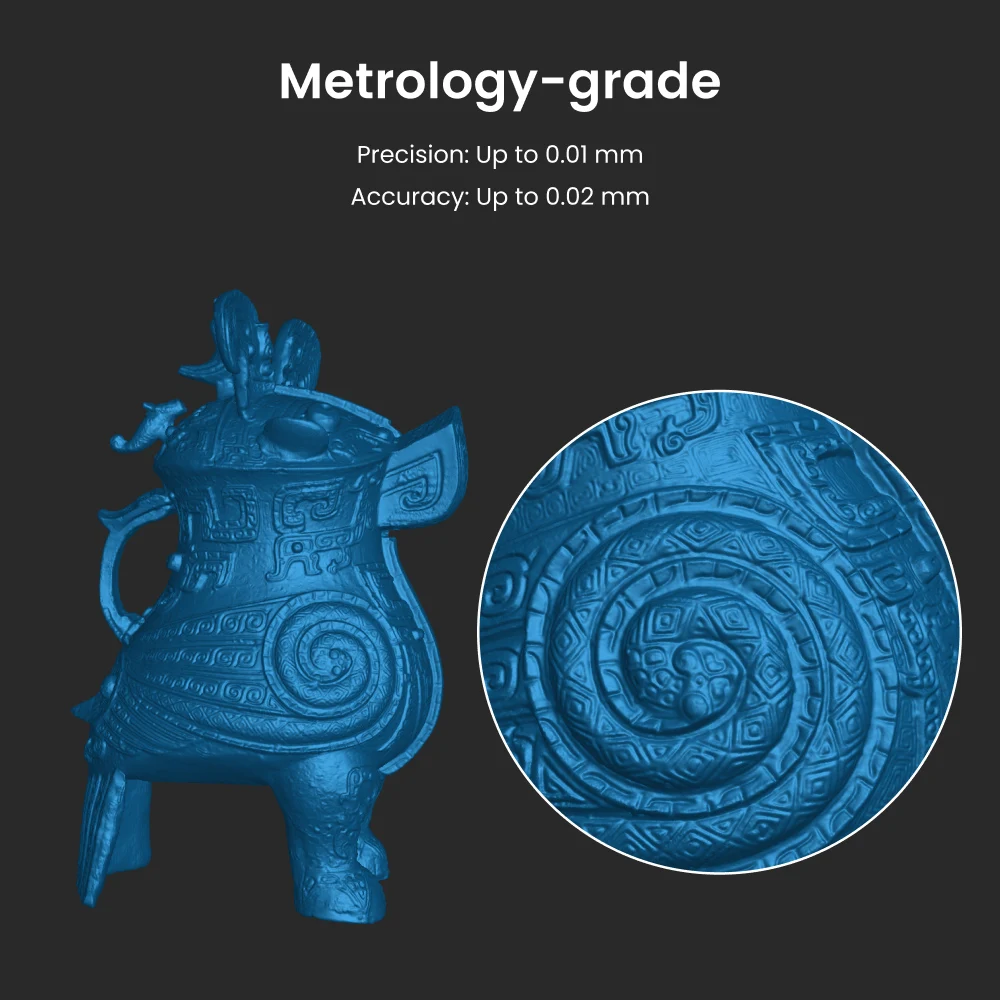
The headline promise here is accuracy: the Revopoint MetroX 3D scanner lists a scanning precision of 0.01 mm. Here’s the thing — that’s the kind of spec that can make a real difference when you’re building parts that need to match existing geometry, especially for CAD design workflows or dialing in tolerances for 3D printing.
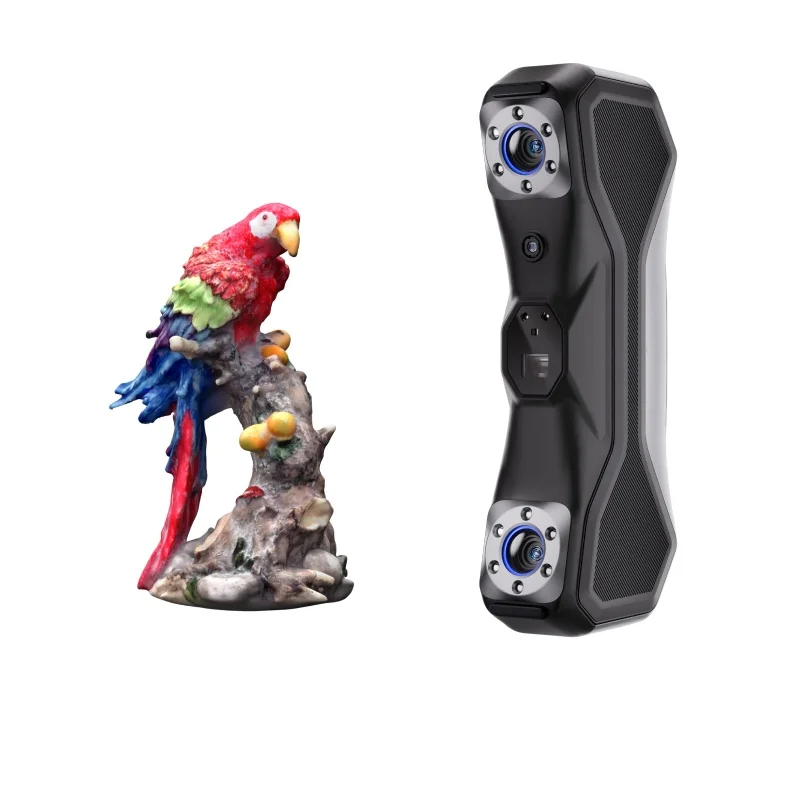
This MetroX 3D scanner uses multiple-line laser scanning technology, which is often chosen for capturing detailed surface geometry. And because it’s positioned as a handheld scanner for CAD designer and 3D printer use, it’s clearly aimed at users who want to bring physical objects into a digital modeling pipeline with fewer compromises.
The spec sheet, filtered to what you can’t see
If you’re comparing a few options, these are the details that tend to impact day-to-day use more than marketing buzzwords:
- Scanning technology: Multiple-line laser
- Scanning precision: 0.01 mm
- Interface: USB 3.0
- Compatibility: Windows, macOS
- Operating temperature: 0°C to 40°C
- Power: 5V DC
- Device size: 250 x 200 x 100 mm
- Weight: 1.5 kg
Quick note: USB 3.0 connectivity can be a practical advantage for data transfer and stability, especially when you’re moving scan data into your CAD or 3D printing workflow.
Where this Revopoint MetroX scanner fits in a 3D printing workflow
Based on the specs, the Revopoint MetroX 3D scanner is positioned for two common use cases: 3D printing and CAD design. That combo matters. Scanning is only half the story; you also need a scanner that plays nicely with the computer you already use. Windows and macOS compatibility helps, and the 5V DC power requirement suggests a straightforward power setup.
And if you’re trying to reverse-engineer a part, capture a prototype, or recreate a piece that’s hard to measure by hand, a multiple-line laser handheld scanner like this can be a logical tool to consider.
Realistic caveats before you click “buy”
Fair warning: at 1.5 kg, this handheld scanner isn’t featherweight. That may not matter for short sessions, but longer scanning jobs could feel tiring depending on how you work.
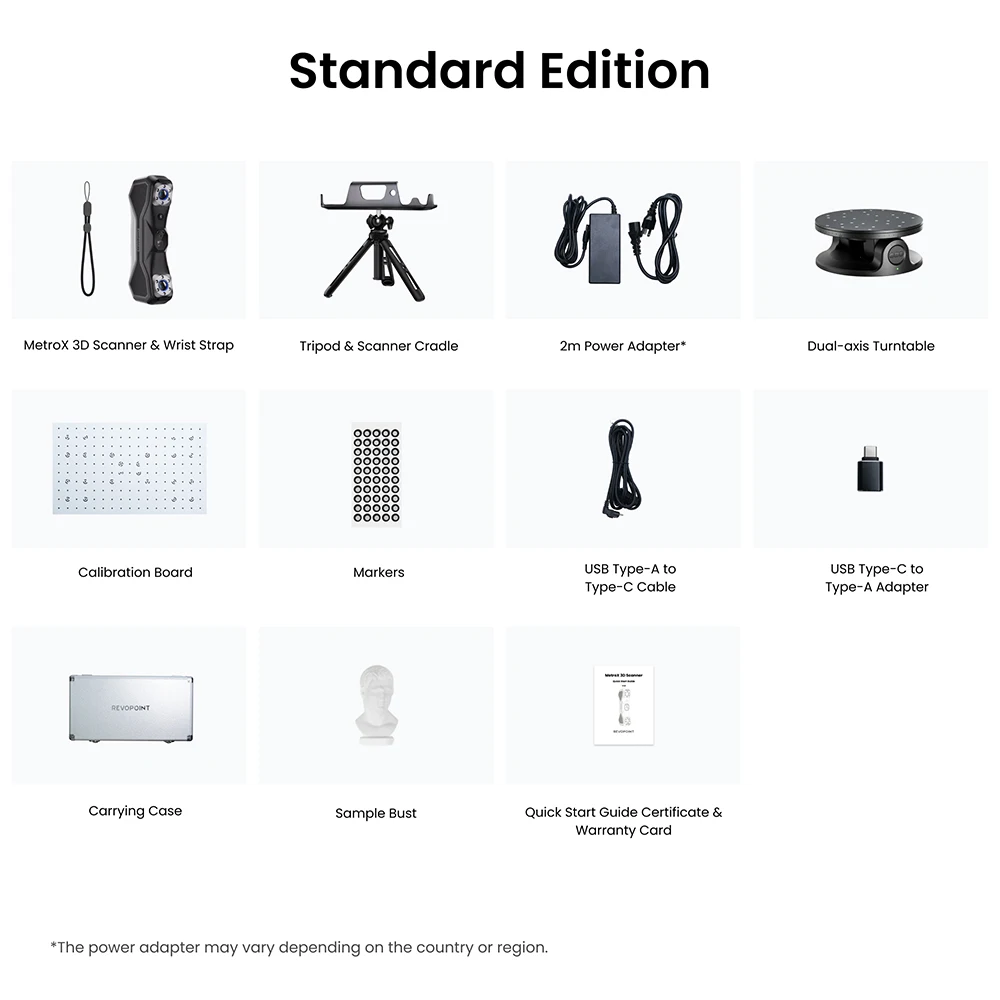
Also, while the listing clearly covers the core hardware specs, it doesn’t get into included software details or workflow steps, so it’s worth confirming what’s in the box and how you’ll process scans for your particular CAD design needs.
If your projects demand tight capture detail and you want a Revopoint MetroX scanner that’s built around multiple-line laser scanning, this model checks the core boxes on paper. If it matches your setup (and your comfort with handheld scanning), it’s a solid candidate to add to your 3D printing toolkit.


Reviews
There are no reviews yet.