
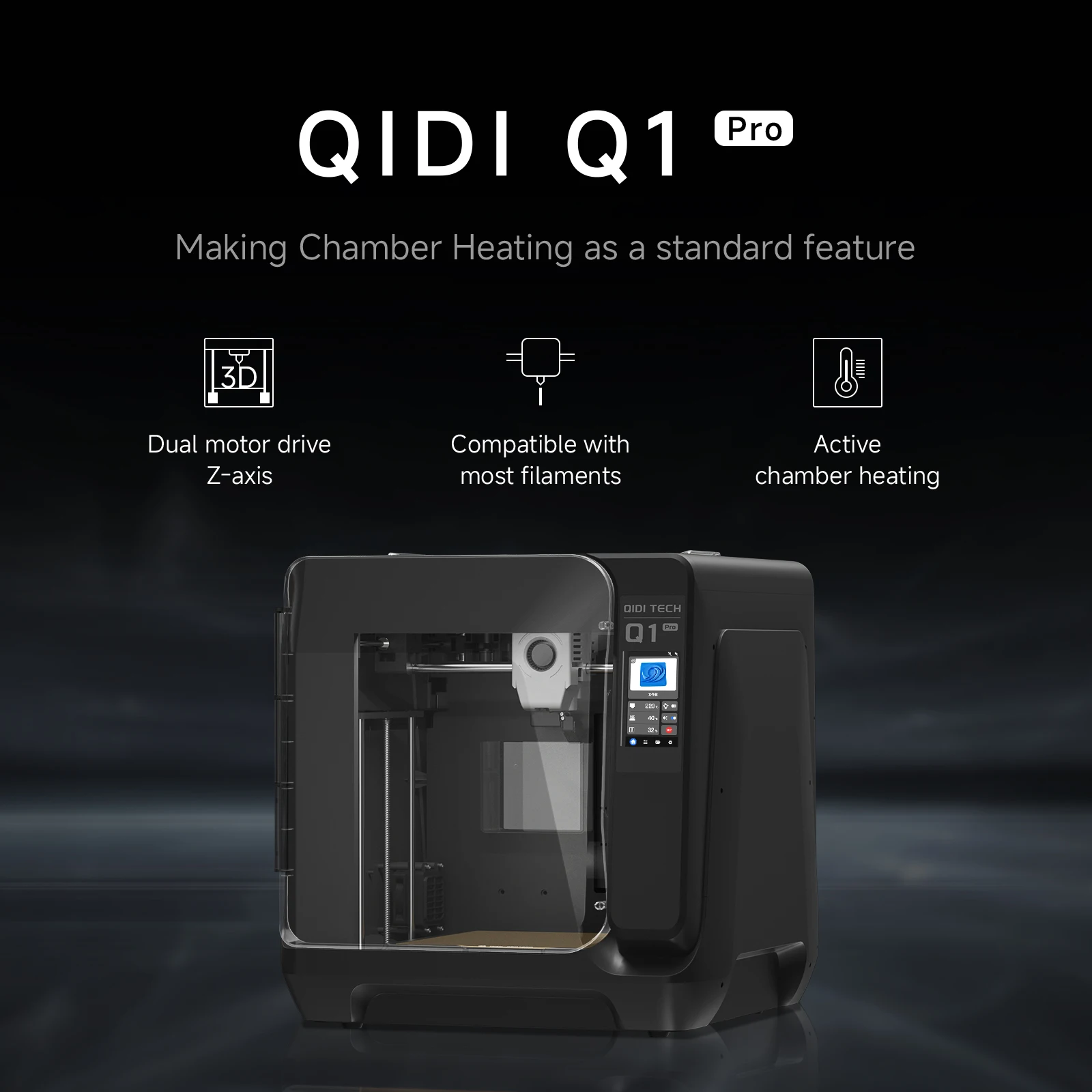


You know that feeling when you’re halfway through a print and you start wondering if the bed leveling is off, or if the Z-axis is going to wobble and ruin everything? That’s the exact anxiety the QIDI Q1 Pro 3D Printer seems designed to eliminate. It’s a machine that promises speed and stability without the usual tinkering headaches, and based on the specs alone, it’s worth a closer look.
Speed Meets Stability: What the Spec Sheet Actually Means
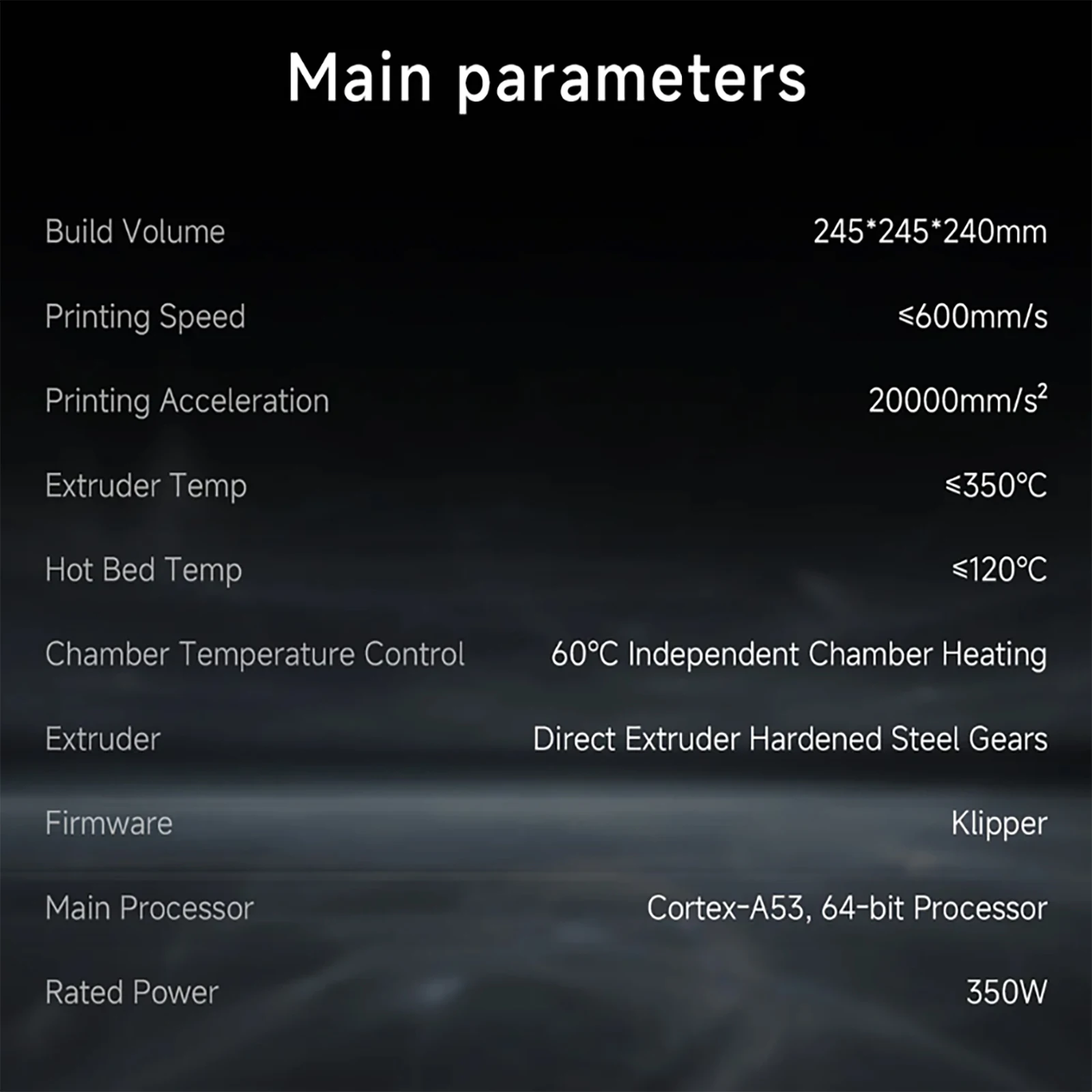
Let’s talk numbers. The QIDI Q1 Pro boasts a printing speed of 600 mm/s. That’s fast—like, finish-a-small-project-during-your-lunch-break fast. But speed is useless if the print quality suffers. Here’s the thing—the independent dual Z-axis motors are a big deal here. They help keep the gantry level and reduce wobble, which is often the culprit behind layer shifting on faster prints. You also get auto leveling, so you don’t have to manually tweak the bed every time you start a new project. The build volume is a solid 256 x 256 x 256 mm, which is enough for most functional parts, cosplay props, or larger prototypes. And with a 60°C chamber heat, you’re looking at better adhesion for materials like ABS or PETG, which can be finicky in cooler environments.
Why the 60°C Chamber Heat Matters More Than You Think
Honestly, the heated chamber is the feature that caught my attention. A lot of printers in this price range offer a heated bed, but a full 60°C chamber is less common. That warmth helps prevent warping and layer separation, especially with materials that shrink as they cool. For anyone printing functional parts or engineering-grade filaments, this could be the difference between a successful print and a curled-up mess. The build volume is a generous 256 x 256 x 256 mm, giving you room for decent-sized projects without needing a dedicated workshop. And since it’s an FDM printer using standard 1.75 mm filament with a 0.4 mm nozzle, you’re not locked into proprietary materials.
Real Talk: A Couple of Honest Caveats
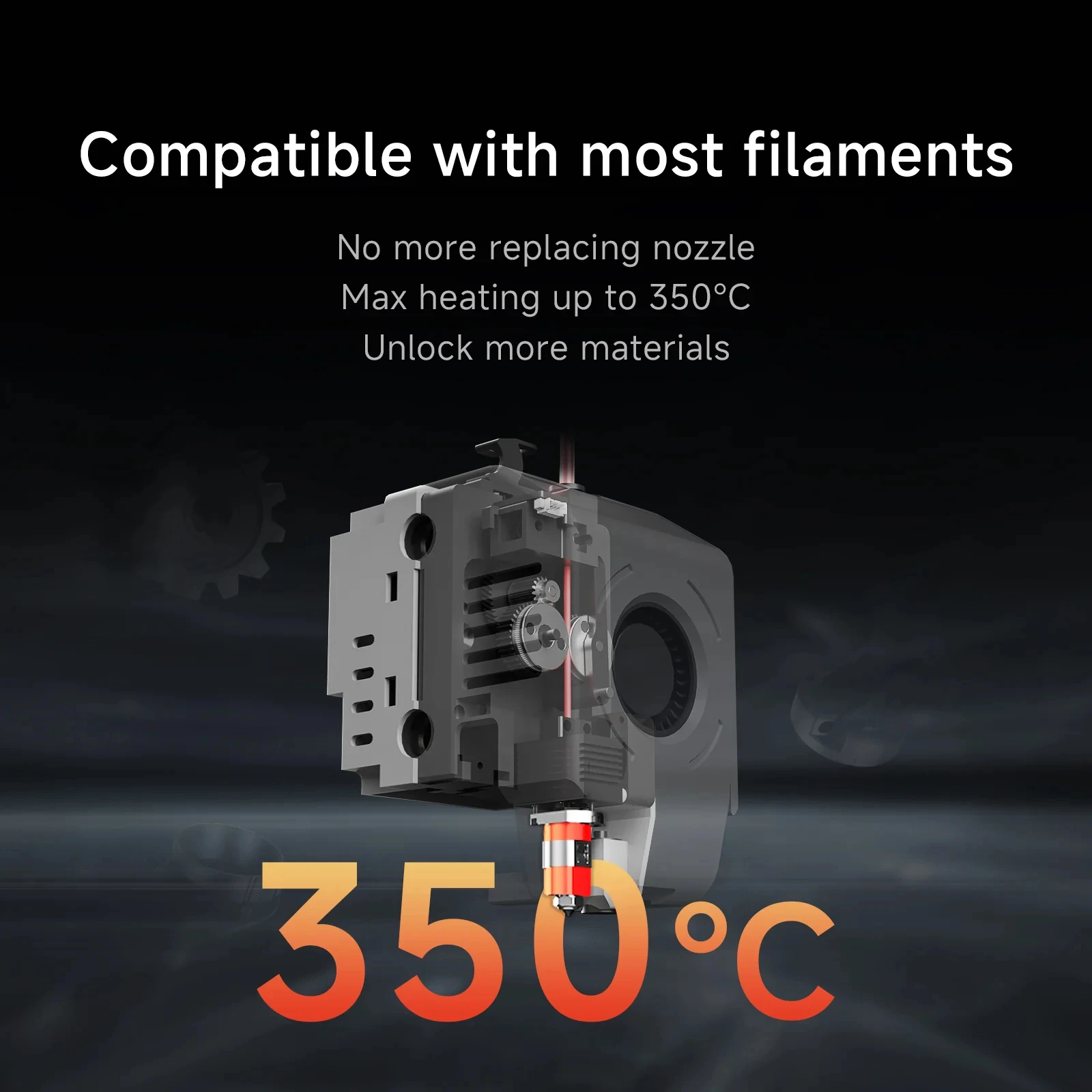
Fair warning: the listing doesn’t spell out the exact build plate material or whether the printer comes fully assembled. That’s a detail you might want to clarify before ordering, especially if you’re not keen on a complex setup. Also, while the 60°C chamber heat is great for certain materials, it does mean the printer will run warm—so make sure you have decent ventilation in your workspace. And for what it’s worth, the 0.4 mm nozzle is standard, but if you’re planning to print with abrasive filaments like carbon fiber, you’ll likely need to swap it out for a hardened steel one.
Where This Printer Shines: Speed, Auto Leveling, and That Heated Chamber
The biggest advantage here is the combination of high speed and auto leveling. You can set a print to run at 600 mm/s and trust that the bed is properly calibrated without manually fiddling with knobs. That’s a genuine time-saver. The 60°C chamber heat is another standout—it creates a stable environment for materials that tend to shrink or curl, which means fewer failed prints and less wasted filament. For anyone printing functional parts or larger models, this is a real win. The build volume of 256 x 256 x 256 mm is also generous enough for most hobbyist projects, from drone frames to custom enclosures.
A Couple of Honest Catches to Keep in Mind
Fair warning: the listing doesn’t specify the build plate material or whether the printer comes fully assembled. That’s a detail you might want to check before pulling the trigger, especially if you’re not comfortable with a partial setup. Also, while the 60°C chamber heat is great for certain filaments, it means the printer will run warm—so make sure you have good airflow in your workspace. And honestly, the 0.4 mm nozzle is standard, but if you plan to print with abrasive materials like glow-in-the-dark or carbon fiber filaments, you’ll likely need to swap it for a hardened steel nozzle. That’s a minor extra cost to keep in mind.
What You Can Actually Build With It
The build volume of 256 x 256 x 256 mm is a sweet spot for most hobbyists. You can print a full-sized helmet in sections, functional brackets, or even small enclosures. The FDM technology means it works with standard 1.75 mm filament, so you’re not stuck with proprietary spools. And the auto leveling? That’s a genuine time-saver. No more fiddling with a piece of paper under the nozzle—just hit print and let the machine do the calibration. For what it’s worth, the 60°C chamber heat also means you can experiment with materials like ABS or polycarbonate without the usual warping issues.
A Couple of Realistic Caveats to Consider
No product is perfect, and the QIDI Q1 Pro has a couple of things worth noting. First, the listing doesn’t specify the build plate material or whether the printer comes fully assembled. That’s a detail you might want to clarify before ordering, especially if you’re not keen on a complex setup. Second, the 0.4 mm nozzle is standard, but if you plan to print with abrasive filaments like carbon fiber or metal-filled composites, you’ll need to swap it for a hardened steel nozzle. That’s a minor extra purchase, but worth keeping in mind if you’re into exotic materials. Real talk: these are small caveats, but they’re worth knowing upfront.
Who This Printer Is Actually For
This QIDI Q1 Pro is aimed at makers who want reliable, high-speed printing without constant calibration. The auto leveling and dual Z-axis motors take the guesswork out of setup, so you can focus on designing and printing. The 60°C chamber heat makes it a strong candidate for anyone working with engineering-grade filaments. But it’s also approachable for beginners who want a machine that grows with them—just be ready to learn about nozzle swaps if you venture into abrasive materials. Based on the specs, this printer seems to hit a sweet spot between speed, stability, and material versatility.
What You Won’t See in the Photos
Here’s a quick reality check: the listing doesn’t specify the build plate material or whether the printer ships fully assembled. That’s a detail you might want to clarify before ordering, especially if you’re not keen on a complex setup. Also, while the 60°C chamber heat is a major plus, it means the printer will run warm—so don’t cram it into a tight, unventilated space. And the 0.4 mm nozzle is standard, but if you’re planning to print with abrasive filaments, you’ll need to budget for a hardened steel nozzle. Real talk: these are minor points, but they’re worth knowing upfront.
How It Fits Into Your Workflow
For anyone in the “Computer & Office” category, this printer is a solid addition to a workshop or maker space. The 256 mm cube build volume is large enough for functional prototypes, jigs, or even small production runs. The auto leveling and dual Z-axis motors mean you spend less time calibrating and more time printing. And the 60°C chamber heat opens up material options that cheaper printers can’t handle. But is it the right choice for a complete beginner? Probably yes, as long as you’re comfortable with a bit of initial setup. The specs suggest a machine that’s ready to work, not one that requires constant babysitting.
One Missing Detail Worth Noting
The listing doesn’t spell out the exact build plate material or whether the printer comes fully assembled. That’s a detail you might want to check with the seller before ordering, especially if you’re hoping for a truly out-of-the-box experience. It’s a small thing, but it can affect your first-day impressions.
So, Should You Add It to Your Cart?
If you’re looking for a high-speed FDM printer that takes the hassle out of leveling and offers a heated chamber for better material compatibility, the QIDI Q1 Pro is a strong contender. The independent dual Z-axis motors and auto leveling are genuine time-savers, and the 60°C chamber heat opens up material options that cheaper printers can’t handle. Just keep the nozzle swap in mind if you plan to print with abrasive filaments. For anyone serious about 3D printing without the constant tweaking, this machine is worth a serious look.



Reviews
There are no reviews yet.