
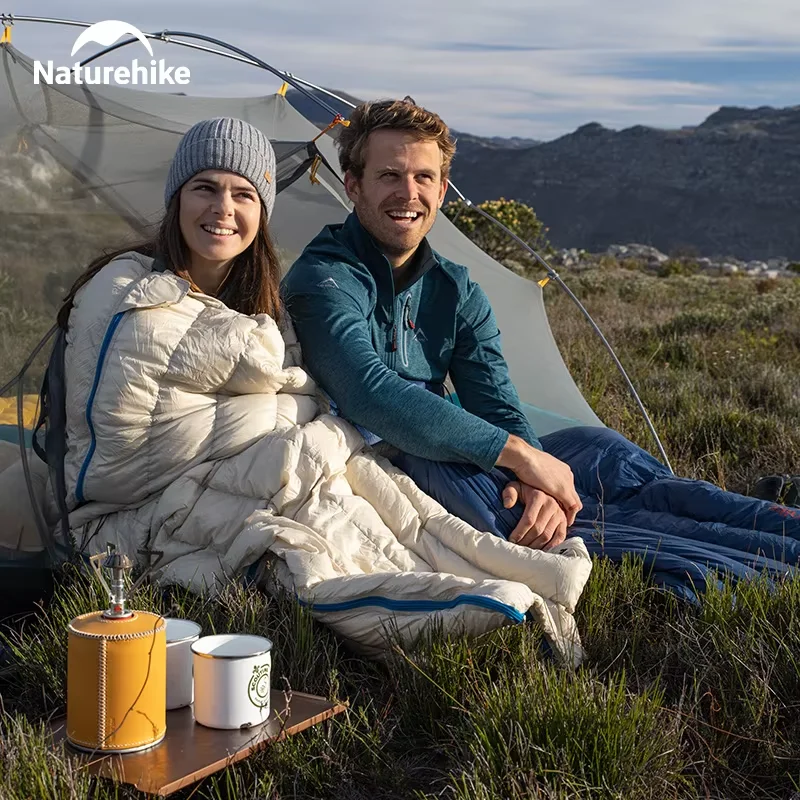
You know that moment when you’re planning a winter camping trip and suddenly realize your three-season bag just isn’t going to cut it? The temperature drops, the wind picks up, and suddenly that cozy campout feels more like a survival challenge. That’s exactly when a dedicated winter sleeping bag starts looking like a very smart investment.
What the Specs Actually Tell You About Warmth
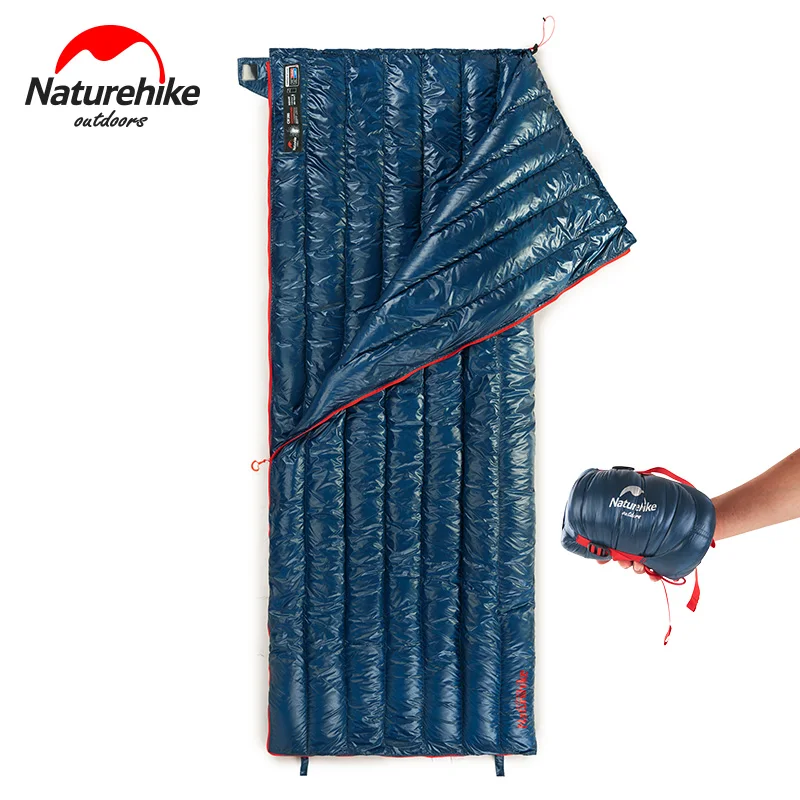
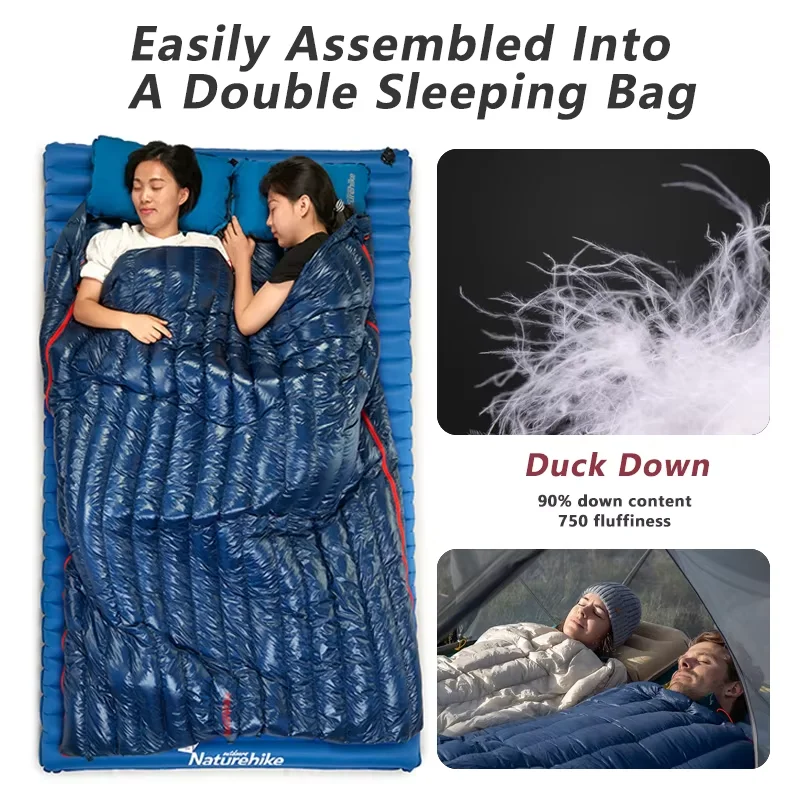
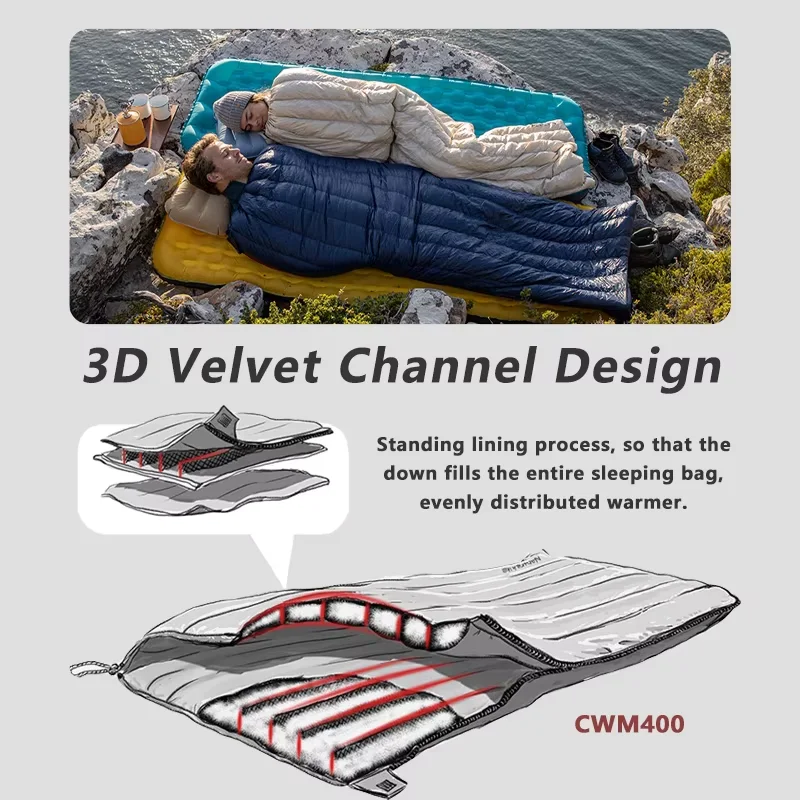
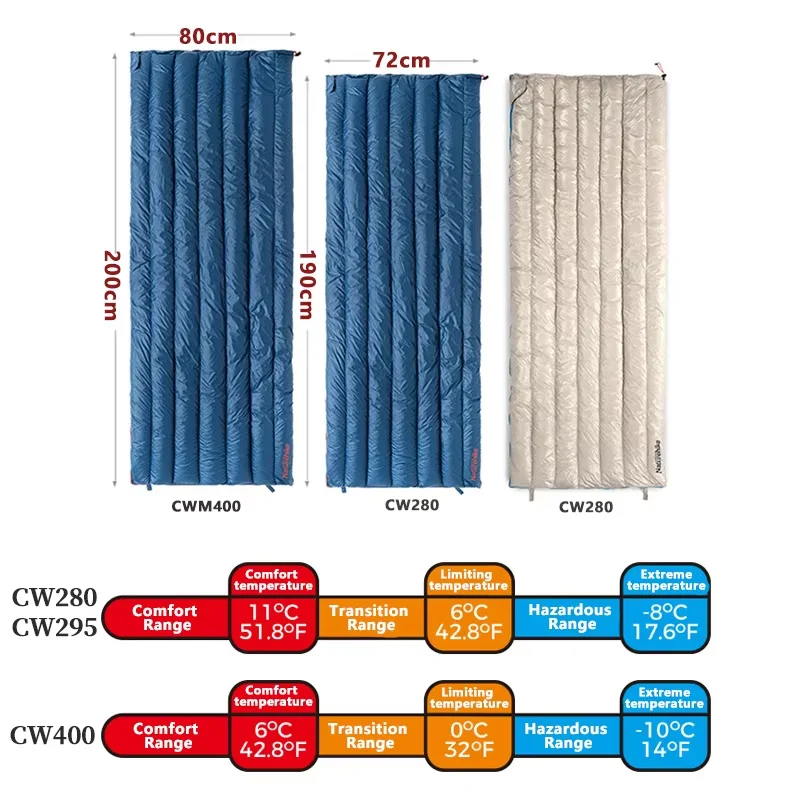
Let’s cut through the marketing fluff. This Naturehike sleeping bag series — available in the CW280, CWM400, and CW295 models — is built around goose down insulation with 90% down content and 600-700 fill power. That’s a solid spec for the price point. The temperature rating lands between approximately -5°C and -10°C depending on which model you pick, so this is genuinely aimed at cold-weather camping, not just a chilly summer night. The shell uses nylon with a DWR coating, and the bag is listed as waterproof, which is reassuring when you’re dealing with frost or unexpected condensation. And that two-way YKK zipper? It’s a small detail that makes a big difference when you want ventilation without fully unzipping.
Why the Goose Down and Ultralight Design Matter
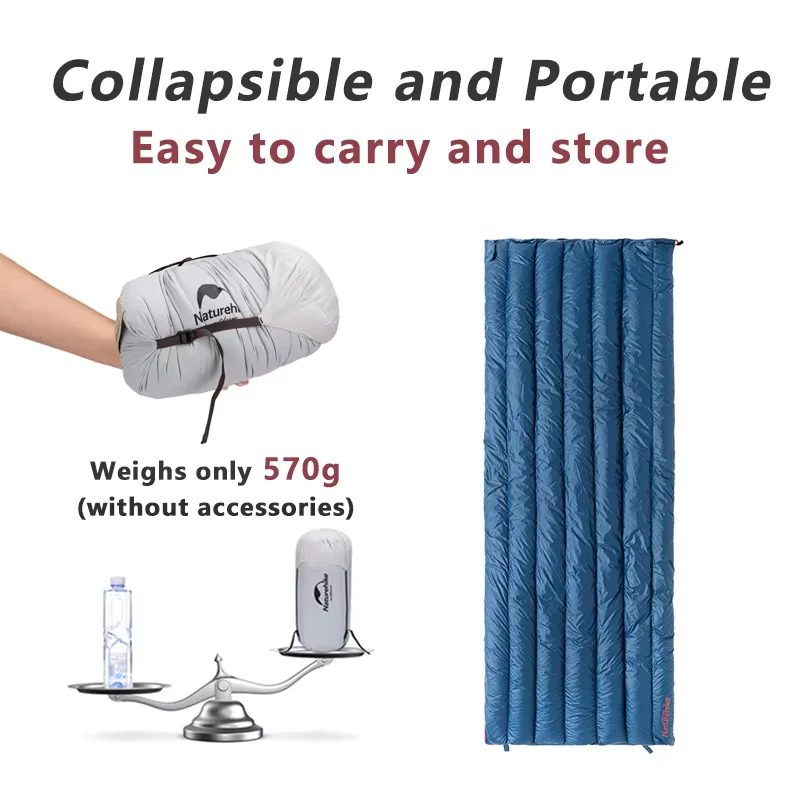
Here’s the thing — goose down insulation at 90% purity with 600-700 fill power is a legitimately good spec for a bag in this range. It means you’re getting real warmth without the bulk that synthetic fills often bring. The ultralight weight, hovering around 0.8 to 1.2 kg depending on the model, makes this a realistic option for backpackers who count every gram. And because it compresses down to a small stuff sack, you won’t be wrestling with a giant sausage-shaped bag strapped to your pack. For winter hiking and camping, that combination of warmth and packability is hard to beat.
A Couple of Honest Catches Worth Knowing
Real talk: the temperature rating is approximate and varies by model, so you’ll want to pay close attention to which version you’re ordering. The CW280 might handle -5°C fine, but the CW295 could be rated closer to -10°C. That’s a meaningful difference if you’re planning a trip where the mercury really drops. Also, the listing doesn’t spell out the exact color options — common ones seem to be gray and orange, but it’s worth checking the product page before you click buy if you have a strong preference. For what it’s worth, these are minor hiccups in an otherwise well-specced bag.
What the Build Quality Tells Us About Real-World Use
The two-way YKK zipper is a genuine plus here. Anyone who’s fought with a stuck zipper at 2 a.m. in freezing temperatures knows why that matters. The nylon shell with DWR coating adds a layer of moisture resistance, which is crucial when you’re dealing with snow melt or tent condensation. And the goose down fill at 600-700 fill power offers a good balance of loft and compressibility. Based on the specs, this bag seems designed for people who actually hike to their campsite rather than drive — the ultralight focus is clear. But is it warm enough for your specific trip? That depends on which model you choose and how cold your nights actually get.
One Small Thing to Keep in Mind
Honestly, the main caveat here is the model variation. With three different versions (CW280, CWM400, and CW295) all sharing the same product listing, you need to be deliberate about which one you’re adding to your cart. The weight, temperature rating, and size all shift between models, so a quick glance at the specs before checkout saves headaches later. And since the color isn’t explicitly listed — common options appear to be gray and orange — don’t be surprised if the shade differs slightly from what you imagined. That said, for a winter bag at this level, those are manageable trade-offs.
How the Specs Stack Up for Real Campers
Judging by the specifications, this bag is aimed at hikers who actually move their gear on foot. The ultralight focus, the compressible design, the waterproof shell — these all point to someone who values mobility as much as warmth. The YKK zipper is a reliable choice, and the nylon shell with DWR coating should handle light snow and moisture reasonably well. But remember: the weight varies by model, so if you’re counting grams, check which version you’re getting. The regular versus long sizing also matters if you’re taller than average.
What You’re Really Getting for Your Money
From what buyers report, this bag delivers on the core promise: a warm, packable winter sleeping bag that won’t weigh you down on the trail. The goose down fill at 600-700 fill power is a legitimate spec that competes with bags costing significantly more. And the waterproof shell adds peace of mind when you’re sleeping in damp conditions. But keep in mind that the exact temperature rating varies by model, so if you’re planning a trip where -10°C is the baseline, make sure you’re picking the right version. Quick note: the regular versus long sizing also affects the overall weight and packed size, so taller campers should factor that in.
Where This Bag Shines and Where It Doesn’t
The genuine advantages here are clear: real goose down insulation at a reasonable price point, ultralight construction that backpackers will appreciate, and a waterproof shell that handles winter moisture. The two-way zipper is a thoughtful touch for temperature regulation. But there are a couple of realistic caveats. First, the exact temperature rating varies by model, so you can’t just grab any version and assume it’ll handle -10°C. Second, the color may differ from what you see on screen — common options seem to be gray and orange, but that’s not guaranteed. And if you’re between sizes, the regular versus long choice affects both fit and packed volume.
Who This Bag Actually Works For
This Naturehike sleeping bag series makes the most sense for hikers and backpackers who need a winter-capable bag that doesn’t weigh a ton. The goose down fill at 600-700 fill power offers real warmth, and the waterproof shell handles the damp conditions that often accompany cold-weather camping. But if you’re a car camper who doesn’t care about weight, you might find better value in a heavier, cheaper synthetic bag. And if you’re planning trips below -10°C, you’ll want to look at something rated for more extreme cold. For the majority of winter campers hitting temperatures in the single digits Celsius below freezing, this bag hits a sweet spot.
If you’re in the market for a winter sleeping bag that balances warmth, weight, and packability, this Naturehike series is worth a serious look. Just double-check which model and size you’re ordering, and you’ll be set for cold-weather adventures.
Reviews
There are no reviews yet.